Happy birthday to the Church. Today is Pentecost Sunday.

The name “Pentecost” comes from the Greek word meaning “fiftieth.” Like Easter, it is tied to a Jewish feast. 49 days (7 weeks, or “a week of weeks”) after the second day of Passover, the Jews celebrated the Feast of Weeks (Shavuot).
Passover celebrates the freeing of the Jews from slavery; Shavuot celebrates their becoming God’s holy people by the gift and acceptance of the Law; and the counting of the days to Shavuot symbolises their yearning for the Law.
From a strictly practical point of view, Shavuot was a very good time for the Holy Spirit to come down and inspire the Apostles to preach to all nations because, being a pilgrimage festival, it was an occasion when Jerusalem was filled with pilgrims from many countries.
Symbolically, the parallel with the Jews is exact. We are freed from the slavery of death and sin by Easter; with the Apostles, we spend some time as toddlers under the tutelage of the risen Jesus; and when he has left, the Spirit comes down on us and we become a Church.

Pentecost – 31 May

pentecost

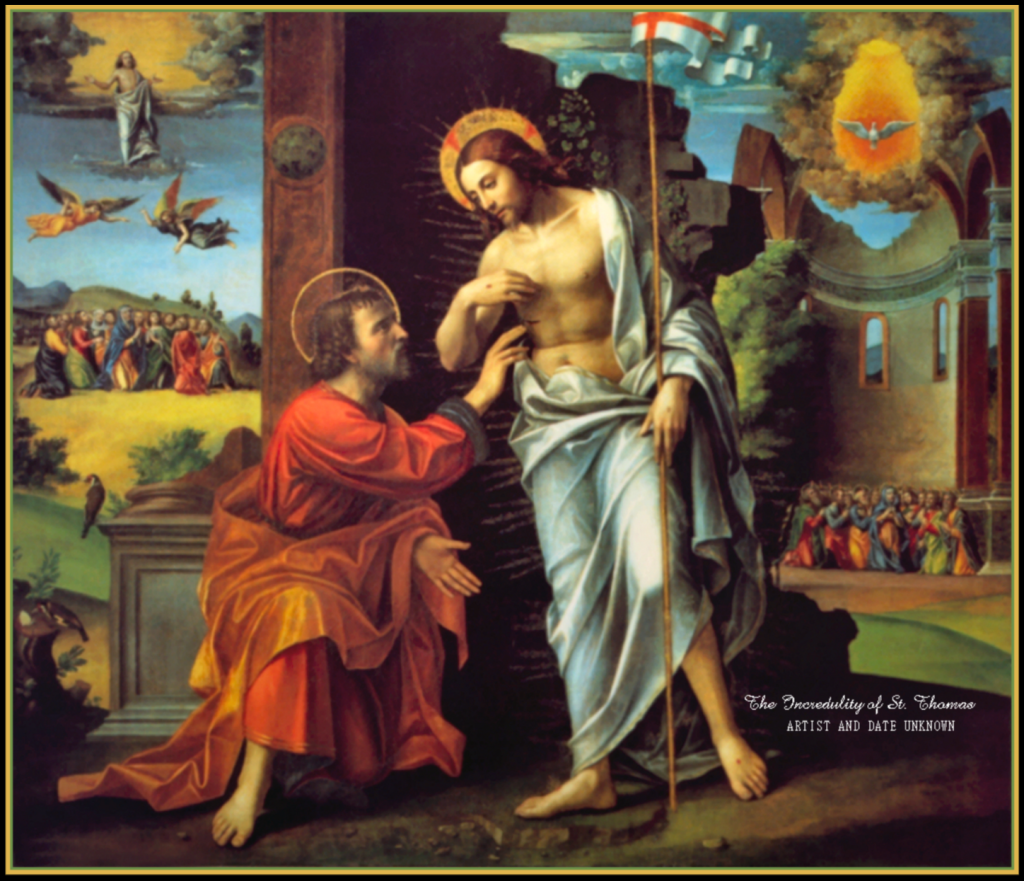
Today, Pentecost is the birthday of the Church, when the Holy Spirit descended upon the Apostles in Jerusalem, and the Church was formed.

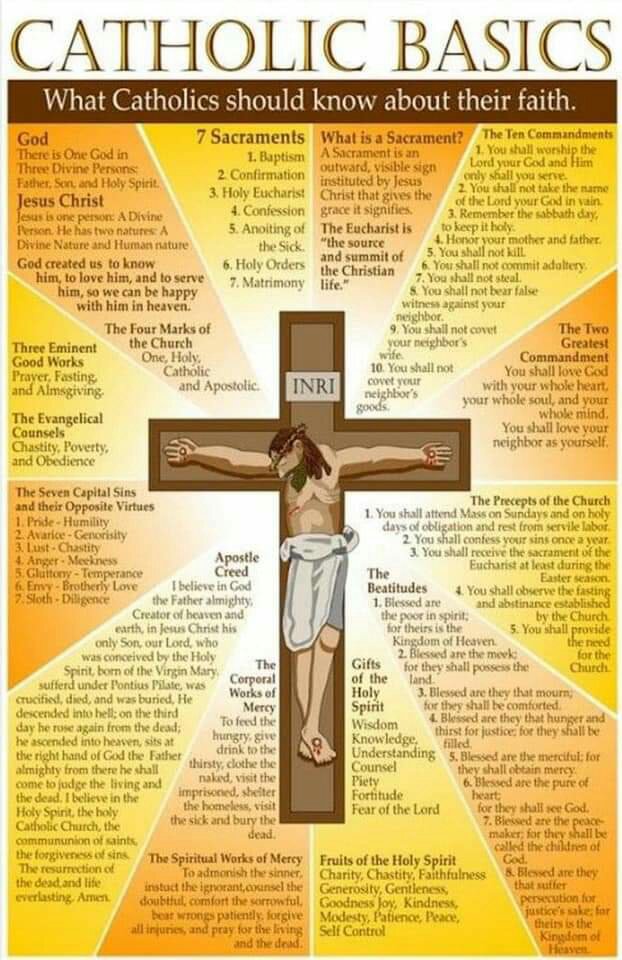
We receive the Holy Spirit throughout our lives, especially at our Baptism, when we are received into the Church, and again in our Confirmation receiving the 7 gifts of the Holy Spirit. (Wisdom, Understanding, Counsel, Fortitude, Knowledge, Piety and Fear of the Lord.)

We need to thank God for these wonderful free gifts that He has given to us. We need to pray and Bless His Holy Name, in thanksgiving and honour.
“Bless the Lord my soul, and bless God’s holy name.
Bless the Lord my soul, who leads me in to life.”
Verse from Taize hymn. Ps 103 (104)
(See YouTube clip of Taize chant)

God loves us so much, that He sent down his only son, Our Lord Jesus Christ to be sacrificed for all mankind on a cross, to wipe away the sins of the world. In order to conquer death, and give us life everlasting with Him in Heaven.

This is God’s steadfast love (in Hebrew – hesed). God’s loving kindness.

Jesus is now ascended into Heaven and is seated at God’s right hand, preparing a place for us, with him.

He sent down the Holy Spirit on His Holy Church at Pentecost, making it flourish and fruitful in faith, love and charity. To make us a Christian community fitting to be called the ‘Body of Christ’.

Remain in the Holy Spirit, remain in God’s love.
Praise and Bless the Holy Trinity, One God – Father, Son, and Holy Spirit.

Today is our birthday party, let us celebrate, with shouts of joy and singing God’s praises.
Come, Holy Spirit, fill the hearts of your faithful
and enkindle in them the fire of your love.
Send forth your Spirit and they shall be created.
And you shall renew the face of the earth.
Let us pray. O God, who by the light of the Holy
Spirit, did instruct the hearts of the faithful, grant us in
the same Spirit to be truly wise and ever rejoice in
His consolation. Through Christ our Lord.
Amen
(Veni, Sancte Spiritus)

New Rector of St. Mary’s College Oscott.

Congratulations to Fr Giles Goward, formally our Pastoral Director at Oscott, has been appointed 24th Rector at St. Mary’s College. He assumes office at the end of June.

More details please visit: https://www.birminghamdiocese.org.uk/news/new-rector-for-st-marys-college-oscott

St. Augustine of Canterbury – 27 May

Augustine was the abbot of St. Andrew’s monastery in Rome. Pope Gregory the Great chose him and forty other monks for an important mission. They were to go and preach the Gospel to the people of England. Abbot Augustine and the monks started on their journey. When they reached southern France, people warned them that the English were fierce. The monks felt discouraged. They asked Augustine to go back and obtain the pope’s permission to give up the whole idea. He did, but the pope wanted the monks to go to England just the same. Pope Gregory knew that the people were ready to accept the Christian faith. And so the monks continued their journey. They arrived in England in 597.

The monks were kindly received by King Ethelbert, whose wife was a Christian princess from France. The monks formed a procession when they arrived. They walked along singing psalms. They carried a cross and a picture of our Lord. Many people welcomed the monks’ message. King Ethelbert himself was baptized on Pentecost, 597. That year Abbot Augustine became a bishop.

Augustine often wrote to the pope. And Pope St. Gregory gave him much holy advice. Speaking about the many miracles Augustine worked, the pope said: “You must rejoice with fear and fear with joy for that gift.” He meant that Augustine should be happy that through the miracles the English people were putting faith in the Gospel. But he should be careful not to take credit for the miracles, because they were from God.

At Canterbury, Augustine built a church and a monastery, which became the most important in England. St. Augustine died on May 26, 604, seven years after his arrival in England.

St. Philip Neri – 26 May

st philip Neri

St. Philip Neri was born in Florence, Italy, in 1515. As a child, his nickname was “Good little Phil.” He was always so cheerful and friendly that everyone he met loved him. Philip went to Rome as a teenager. He studied theology and philosophy for three years and was a good student. Above all, Philip was a very active Christian. He lived simply and worked hard. But he also did much good for the people around him. He helped poor children. He donated his time to the sick. He was a friend to people who were troubled and lonely. In fact, he reached out to everybody he could for the love of Jesus.

Philip helped start an organisation of lay people to take care of needy pilgrims. That ministry gradually continued as a famous hospital in Rome. The priest who guided him realised that Philip was doing so much to help the Christians of Rome become fervent again. But it was obvious that Philip had the call to be a priest. He was ordained in 1551, at the age of 36, and quickly became sought after as a confessor. He was available for the sacrament of Reconciliation for several hours every day. The lines of people who came to him grew longer. But Father Philip was never in a hurry. He never ran out of patience and gentleness.

People began to notice that he could read their minds at times. He could also in some circumstances predict the future. The Lord even worked miracles through him. But all Philip wanted to do was bring Jesus to the people. To avoid their admiration, he acted silly once in a while. He wanted people to laugh and forget that they thought he was holy.

Philip was making a difference in Rome. He founded a society of priests called the Oratorians, and the whole city was renewing its faith and devotion. Once he started to think about being a missionary to far–off lands. He was very impressed by the life of St. Francis Xavier, who had died in 1552 at the gate of China. Philip had been a priest for just one year at the time of St. Xavier’s death. Should he leave Rome and volunteer for the missions? A holy Cistercian monk told him, “Rome is to be your mission land.” In fact, Father Philip had become known as “the apostle of Rome.”

Philip spent the last five years of his life offering the Sacrament of Reconciliation to the people. He died at the age of 80 in 1595. He was proclaimed a saint by Pope Gregory XV in 1622.

Cheerfulness is an important part of holiness. St. Philip Neri’s story teaches us that the way to be really happy is to put God and other people first in our lives. If we only think about ourselves we’ll never feel satisfied.

St. Philip Neri pray for us.